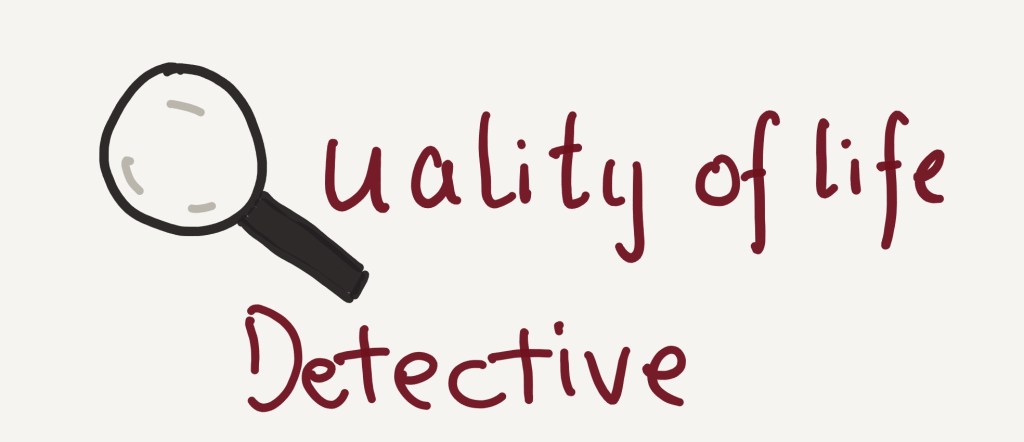
We are the quality of life detectives

Palliative care is about exploring what ‘quality of life’ means to that person in front of us, whose heart will take its last beat sooner than previously thought. For that person and those important to them, death is on the horizon … somewhere…

So, by a holistic assessment in any setting, by any person, we can affirm living until that last moment and we can attend to that person’s quality of life for that time,

Every second of every minute of every hour of every day matters.

In our assessment, which could be 5 minutes or 50 minutes , we can ask what is important to that person; if they could, what would they want to be doing? How can we help?

People still are afraid that ‘palliative care’ means active dying, stopping things, stopping care, giving up – it doesn’t. Care never stops, treatments might do, especially if they are burdensome to the person and the benefit/ burden balance shifts – but care never stops. If you hear people talk about ‘ceilings of care’, please correct them… they are referring to ‘ceilings of treatment’ ie what is the absolute limit of treatment for this person? It is treatment, not care.

So, as someone providing palliative care in any setting, from any discipline, any role – dust off that metaphorical magnifying glass and get detecting!
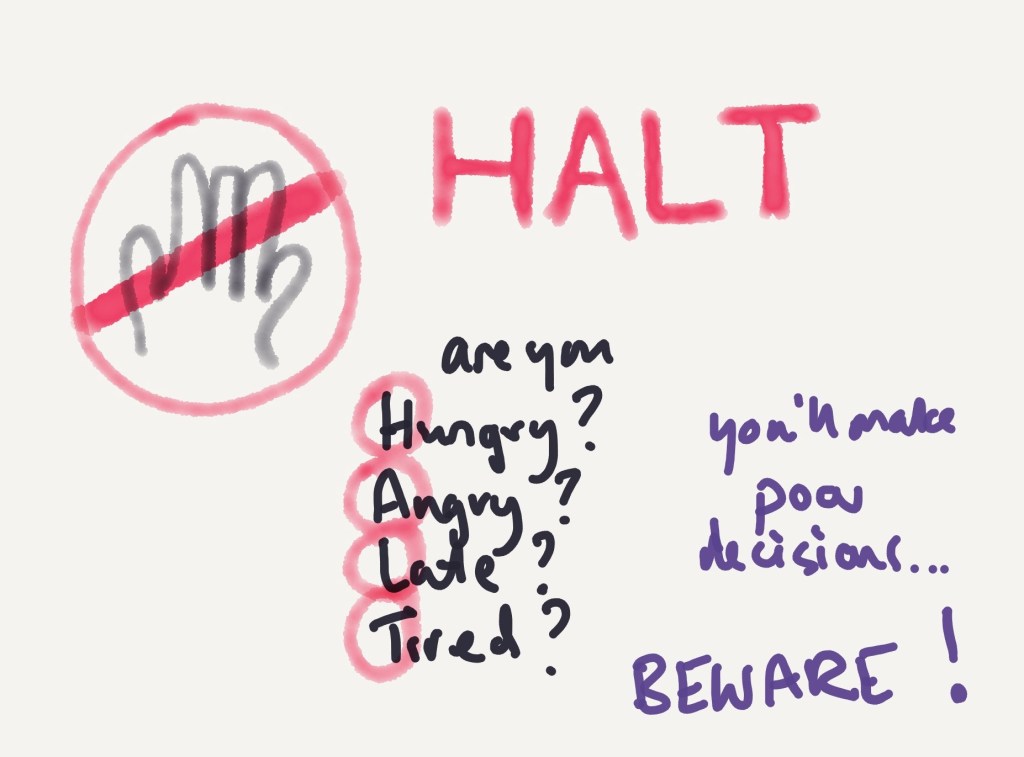
HALT

Are you:

– Hungry?

– Angry?

– Late?

– Tired?

If so, you are likely to make poor decisions. This top tip was presented by Dr Mark Stacey in Wales at a resilience workshop and developed into this picture.

I think what was so useful at the time was the concept of pragmatism. We might want to never be stressed , we might strive always to be ‘perfect’ ( whatever that is!) , but in real life, it rarely happens, so rather than beat ourselves up about it, we need to be mindful that any of those 4 states will mean that our decision making ability is less than optimal… so we need to stop and think before we do or say something which will cause avoidable harm or distress.

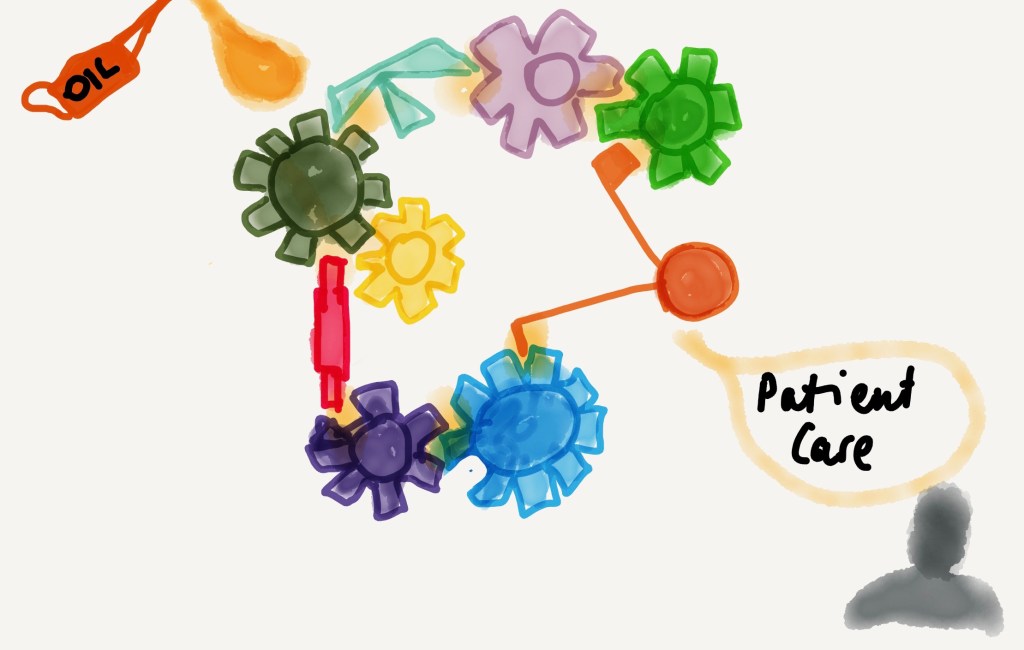
Oiling the machine

There are many different parts in delivering palliative care to patients – the patient themselves, their family or care supports and their community. Health and social care professionals add in to the picture and it becomes an intricate piece of machinery. Conditions for which that palliative care approach have expanded beyond cancer over the past 30 years and for each of these conditions there are new developments, new interventions, new side effects and different balancing measures with quality of life. The problem is however, that the ‘product’ – patient care is unique to that individual and their own particular circumstances – so the machinery needs care and careful maintenance.

What needs to be done to help this delicate machine to work and keep working – what is the ‘oil’?

It might be:

  • Communication between teams or people – how does it work ? What makes it effective? are communications in person or virtual – and whatever mode of communication, has it been reviewed and agreed that it is the most practical for that particular situation or person?
  • The setting – can the setting where palliative care is delivered be improved? … practically… and not all settings can in the immediate… but might there be scope for developing something that will help the team to work in the future
  • Knowledge – both about the condition and the palliative care needs and thus their options for management. It might also be knowledge of who else is about to help deliver palliative care to that person – is there a ‘blind spot’ about a useful resource perhaps?
  • the skill mix of the team – there’ll be more about that in later posts – this is so interesting – there are the professional skills of the team – each person’s role in the care of that patient… but there is also the team behaviour or personality mix of the team…. are there enough people of diverse personalities to enable things to happen…?

Even in the very highly pressured health care delivery world of 2024 and beyond, with staff morale/ staff sickness and recruitment pressures, it can be useful to gather together and think about how the team works… and always, always keeping the patient central to those discussions.

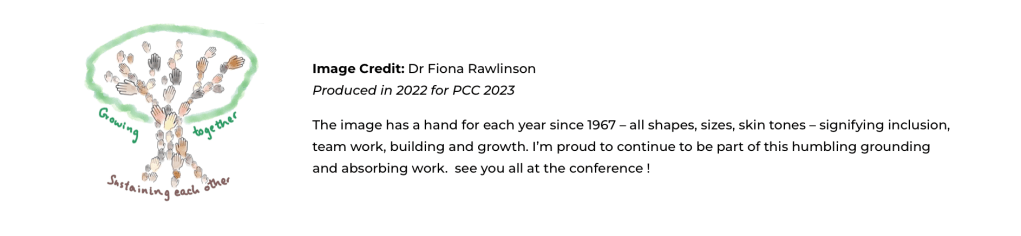
PCC 2023 image

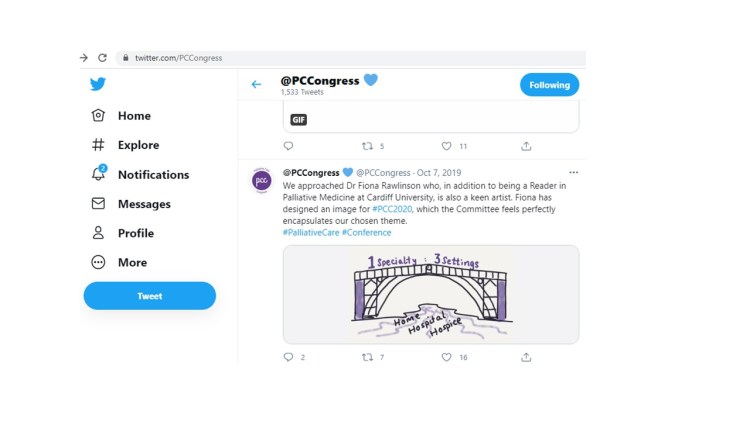
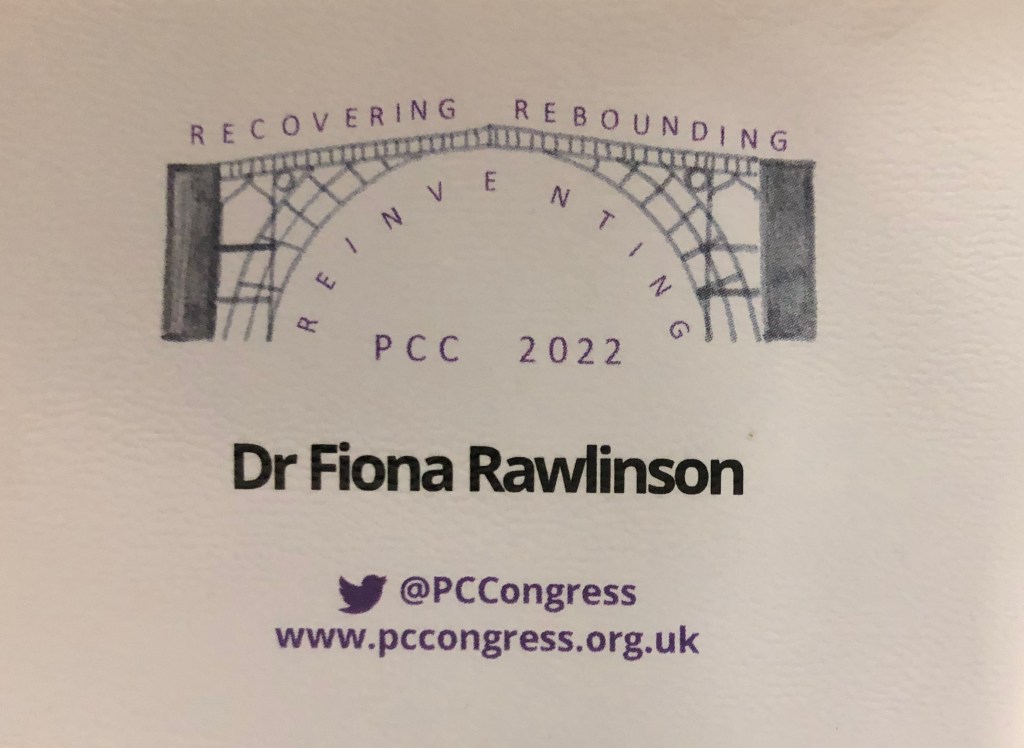
We have had 3 years of ‘bridges’ as part of the logo for the Palliative Care Congress in the UK. ‘Bridges’ seemed to represent palliative care making connections between people, between teams, between settings and also bridging gaps.

The Ironbridge theme for the Telford conference that was due in 2020 but had to be postponed owing to the pandemic – one specialty three settings – reflecting the diversity of palliative care delivery at the time, but with a common theme. The theme was then redeveloped for the 2021 virtual conference in Edinburgh reflecting the Edinburgh bridges and Ironbridge returned for the F2F conference in Telford in 2022 – this time with the ‘recovering, rebounding, reinventing’ strap line – we had all lived through so much change during the pandemic.

Thinking through the experience of delivering palliative care across all settings during the pandemic, the revised curriculum and delivery for specialist training, and innovations, QI and research yielding evidence based practice and new ways of doing things it also seemed sensible to be reminded of where all of this started… 1967 … and making dying an integral part of living. Yet we need to be canny – we need to look after each other – wherever we work, whichever team or teams we might be part of.

The phrase – ‘Growing together, sustaining each other’ – was sent in my direction. Trees, sustainability ( in all senses of the word) , gave rise to the logo for this PCC 2023.

It’s been a thought provoking and reflective project.

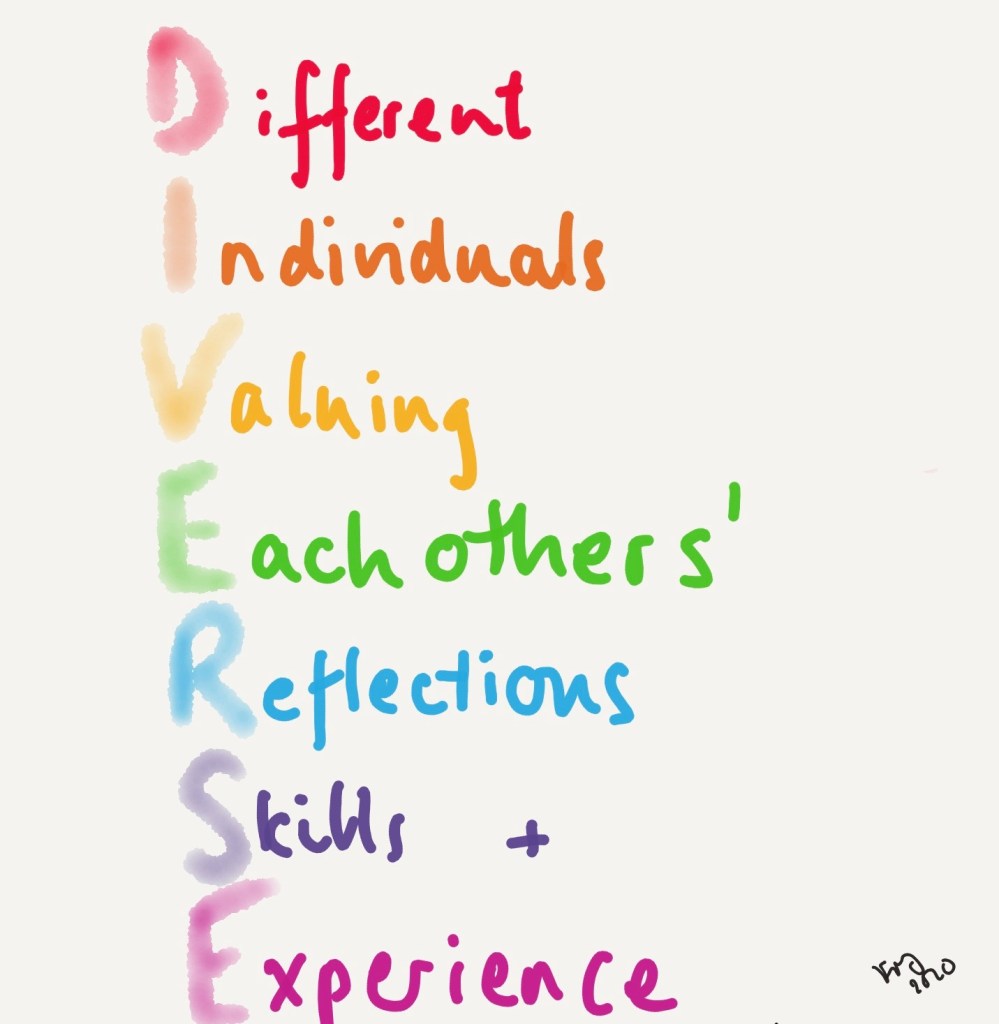
Diversity in team working

This was one of the first posts of the collection, written as health care teams formed and disbanded, at times overnight, in response to COVID-19 pressures. Valuing individual skill sets is more important than ever, both professionally and behaviourally – and recognising that these may change on a daily basis, depending on mood and morale.

Our teams helped us to get through that time and now we need to look after them. To have a team where there is complete uniformity might be comfortable for a while to work in – far less stress and pressure … but there will be an imbalance that with time will show. This might result in less creativity , or less action ( too many creative people and thus not enough people to make things happen or be the agents of change )

WELCOME to ‘sharing palliative care’

This site was launched in January 2021 as a resource for sharing palliative care skills to help facilitate education about palliative care issues .

At the time of development, the covid19 pandemic was a global health and palliative care crisis during which sharing palliative care skills was more important then ever – not only for those patients directly experiencing the coronavirus infection, but also those whose health care needs and delivery have been impacted by the changed arrangements of the pandemic.

Then ‘life’ has intervened – and I’ve experienced palliative care from a relative’s perspective and from a carer’s perspective. This gives additional insight into what’s needed and how palliative care works in real life!

The site is developing rapidly and will include –

ENJOY !